

When it comes to forex trading, spotting a trend reversal before even it takes place can be your secret weapon. It’s actually the move that flips the board in your favor while others scrabble to react. We all know, markets don’t move in straight lines, and missing turning points can convert winning opportunities into a costly mistake.
All the traders who consistently profit are those who can read the subtle signals of a shift and take action decisively, and turn uncertainty into opportunity. By precisely understanding price action, numerous momentum shifts, along with market patterns, you can identify when exactly a trend is losing steam or even about to be reversed. When you master these insights, this gives you the power in order to enter and exit trades with precision, handle risk effectively, and leverage market swings just like a pro.
In this blog, we’ll break down several proven strategies in order to detect genuine trend reversals, reveal the pitfalls that trigger false signals, and share some of the valuable, actionable techniques to help you trade smarter and gain a competitive edge in the forex market.
What Is a Forex Reversal Indicator and How Does It Work?
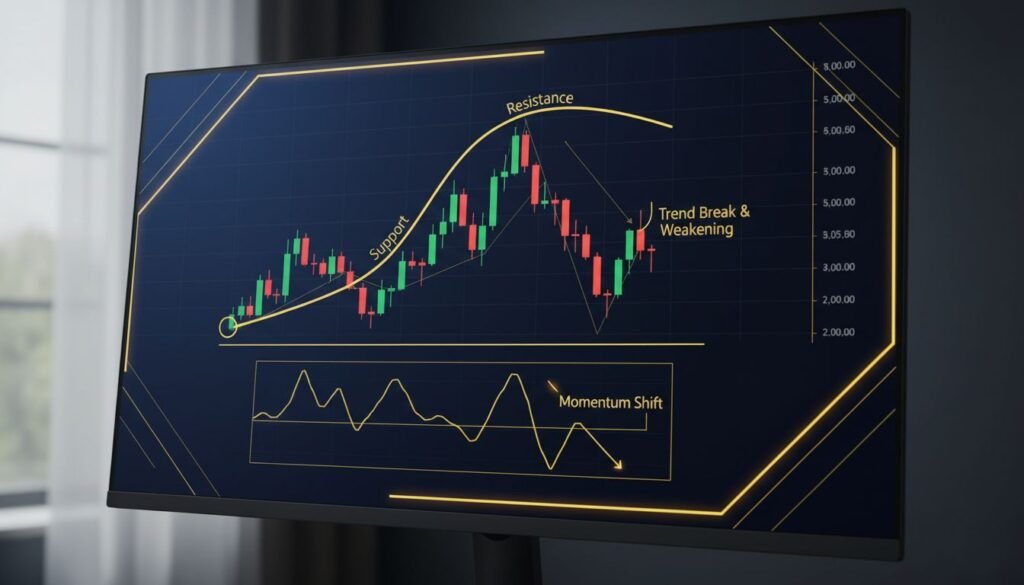
A forex reversal indicator is actually a tool that traders use to anticipate when a market trend might change its direction. Unlike standard trend-following indicators, which confirm a trend after it’s already underway, reversal indicators primarily focus on early warning signs, and give you a chance in order to act before the market shifts.
Here’s what makes them valuable:
- Detecting trend weakness:
The indicators show when a bullish or even bearish trend is losing momentum, and help traders prepare for a possible shift.
- Trend continuation vs. reversal:
While trend-following tools signal that a trend is still strong, reversal indicator makes it highlighted when it might stall or flip.
- Momentum shifts:
These indicators smartly measure changes in buying and selling pressure, and help identify potential turning points in the market.
- Support and resistance cues:
Numerous reversal tools also highlight key price levels where reversals are more likely, and improve timing and accuracy.
Best Forex Reversal Indicator Used by Professional Traders
Professional traders depend on proven forex reversal indicators in order to identify early trend weakness and avoid false signals while trading with more confidence. Below are the most reliable indicators used by professionals:
RSI – The Most Popular Forex Reversal Indicator
RSI is actually one of the most trusted indicators for detecting trend reversal in forex. It shows when a market turns into overbought or sometimes oversold.
- Above 70 generally signals overbought conditions along with a possible bearish reversal.
- Below 30 shows that the market is in oversold condition and a potential bullish reversal.
It works best in markets that are not trending too strongly. RSI divergence is another powerful signal that the existing trend may soon reverse.
MACD – A Powerful Trend Reversal Indicator in Forex
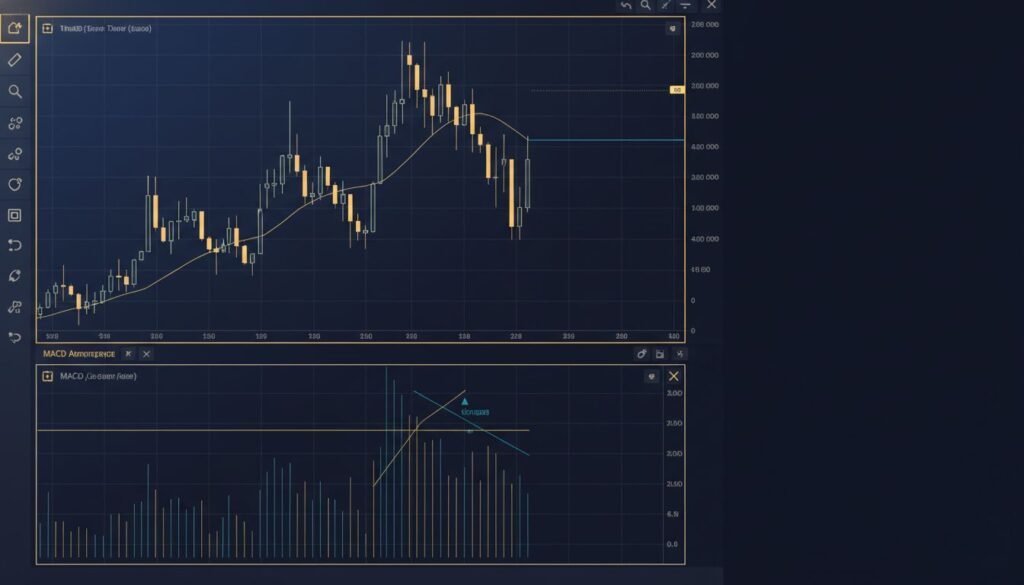
MACD is to help traders spot changes in momentum, and this makes it a reliable forex reversal trading indicator.
When it comes to the most important signal, it’s the crossover. And, when the MACD line crosses above the signal line, it mostly signals a bullish reversal. On the other hand, when it crosses below, it often signals a bearish reversal. Traders also watch the histogram shrinking momentum, which mostly appears before the trend actually changes.
Stochastic Oscillator – Early Reversal Signal Indicator
The Stochastic Oscillator is a popular choice for finding early forex reversal signals, especially in sideways markets. When it moves above 80, the market reverses downward. However, when it falls below 20, a bullish reversal becomes more likely. It works well for short-term traders who truly want quicker.
Moving Average Crossover as a Reversal Indicator
Moving average crossovers are simple but very effective for identifying trend changes. And, when a short-term moving average crosses a long-term moving average, it generally shows that the trend can be reversed.
This approach is beginner-friendly and works great for traders who are looking for a clear indicator for trend reversal in forex without even utilizing complex tools.
Bollinger Bands – Identifying Market Reversals with Volatility
Bollinger Bands are such an indicator that helps traders identify reversals by showing price movement and volatility together. When price repeatedly touches the upper band, then a bearish reversal may happen. When it touches the lower band, a bullish reversal becomes more likely.
How to Identify Trend Reversal in Forex (Step-by-Step Method)
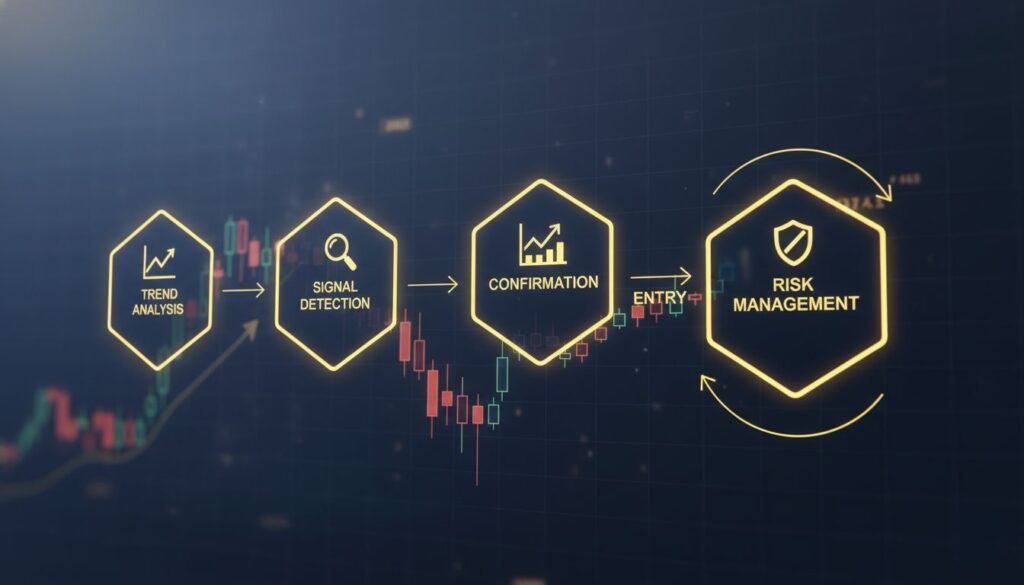
Identifying a reversal becomes much easier when traders follow a clear process rather than guessing. Traders can take advantage of this step-by-step method as it helps them identify trend reversals in forex trading, avoid false signals, and take entry into the trade with better timing:
Step 1: Identify Trend Strength
Get started by checking if the current trend is strong or if it’s weakening. If price stops making higher highs or lower lows, then it mostly signals that a reversal may be coming.
Step 2: Look for Reversal Signals
Watch for early signs like rejection candles, double tops, double bottoms, or even indicators moving into zones of overbought or oversold zones. These signals suggest the trend may be losing strength.
Step 3: Confirm with Another Indicator
Don’t be solely dependent on signals alone. But, also use several tools like RSI, MCAD, or even a moving average in order to get confirmation before reversal before entering a trade.
Step 4: Enter at the Right Time
Now, wait for confirmation like a strong candle or a breakout before even taking an entry. This will help you reduce risk and improve accuracy.
Step 5: Manage Risk Properly
Always use a stop-loss, as even the best forex reversal indicator can give false signals. Proper risk management protects your capital and keeps your trading consistent.
When Forex Reversal Indicators Give False Signals
A forex reversal indicator is useful, but don’t think that it works perfectly in every situation. Numerous false signals arise when traders ignore market conditions. So, understanding when this happens can truly help you avoid unnecessary losses and make better trading decisions:
Fake Breakouts
Price sometimes breaks support or resistance and then immediately reverses again. And, if you enter too early in such situations, it can result in losses. Waiting for confirmation can help avoid this mistake.
News-Based Reversals
Another factor is news-based reversals. Strong news events can also create sudden price movements that actually look like a trend reversal. In several cases, these movies are temporary, so it’s really important in order to check the news before trusting reversal signals.
Low-Volume Market Conditions
During low-volume sessions, price movement gets weakened and unpredictable. Even the best trend reversal indicator in forex trading can provide misleading signals in such conditions.
Leading vs Lagging Reversal Indicators in Forex Trading
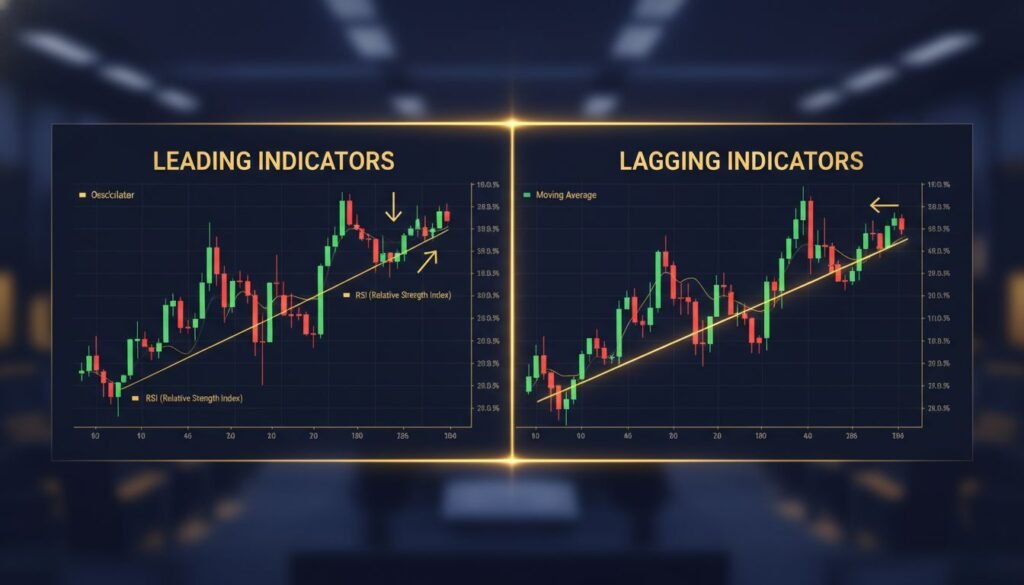
Reversal indicators are generally divided into 2 types, i.e., leading and lagging. Leading indicators try to predict trend change before it actually happens, which helps you enter earlier but also increases the chances of false signals.
On the other hand, lagging indicators confirm a reversal only after the trend has already started to change. These both are reliable, but the entry comes in slightly later. Experienced ones combine both types in order to spot early trend reversal in forex trading and then confirm the move before entering a trade.
Conclusion
Identifying a trend change in forex trading is truly one of the most powerful skills. However, it only works when you utilize the right approach.
A reliable forex reversal indicator, blended with confirmation along with proper risk management, can help you avoid false entries and trade with more accuracy.
Rather than guessing market moves, keep focus on proven methods, stay disciplined, and use reversal signals strategically in order to make smart and more confident trading decisions.
