Numerous forex traders struggle not because the market is unpredictable. But it’s because they lack a clear system that can guide their decisions. Actually, professional traders depend on structured trading frameworks that precisely define how exactly to identify high-profitability opportunities, manage risks, while executing trades with perfect discipline.
These frameworks aren’t just rules; Over and above that, these are a complete approach to trading that helps convert your analysis into action, your mistakes into lessons, along with losses into controlled risk.
In this guide, we’ll break down professional forex trading framework guidelines that serious traders follow in order to trade consistently, protect their capital, and make smarter and even more informed decisions.
What Is a Professional Forex Trading Framework?

A professional forex trading framework is actually a systematic approach that transforms your trading from just guesswork into a repeatable and disciplined process. It’s not only about following charts or even indicators; On top of that, it’s also about creating a precise, structured methodology that can guide each decision in the market.
All the traders who use a framework can anticipate market behaviour, smartly react to volatility of the market with confidence, and maintain control over their capital even if there are unpredictable swings.
Beyond simply outlining trades, a framework primarily focuses on building long-term consistency and reducing emotional errors. Furthermore, it helps traders:
- Maintain discipline under high pressure and prevent any emotional decisions.
- Identify patterns of the market with context, not just react to price movements.
- Learn from previous trades through structured review.
- Adapt strategies as market conditions change.
Core Elements of a Professional Trading Framework
A professional forex trading framework is designed on these core elements:
1. Strategy Development
Setting clear rules for trade entry and exit, along with management, in order to maximize opportunities.
2. Risk Management System
Declaring limits and safeguards just to protect capital and control losses consistently.
3. Trade Execution Rules
Establishing precise steps to make entries and exits for trade to make sure disciplined actions.
4. Trade Journaling
Recording trades, outcomes, along with reasoning to identify patterns and enhance performance.
5. Psychological Discipline
Handling emotional control, patience, and complete focus to make rational trading decisions.
10 Professional Forex Trading Framework Guidelines
These guidelines have the potential to form the backbone of a professional trading framework. These give a disciplined approach to strategy, risk, execution, and review, and help you make smarter decisions, protect your capital, and improve long-term performance:
1. Always Trade With a Clearly Defined Strategy
Random trades rarely succeed in forex. When it comes to professional traders, they follow a tested, rule-based approach that aligns with their style and risk tolerance. No matter if they are using trending-following strategies, breakout trading setups, or even momentum-based trading, having a defined strategy always helps traders avoid impulsive decisions and stick to their strict plan. This ensures that every trade has a purpose and measurable profitability and forms the backbone of a structured forex trading framework.
2. Follow Strict Forex Risk Management Rules
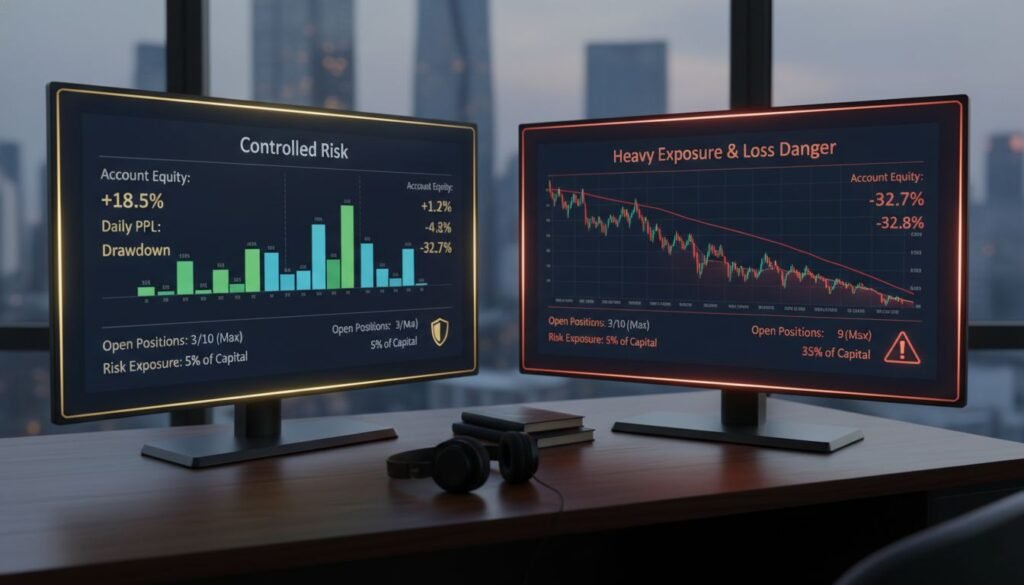
Even the best setups can fail. So, that’s why risk management is crucial. Professional traders use stop losses, limit exposure per trade, and management is the foundation for long-term profitability in forex trading for professionals.
3. Never Risk More Than 1–2% of Your Capital on a Single Trade
When you protect your account, it’s the move to limit risk. Professionals rarely take more than 1-2% of their capital on any trade. For example, if your trading account has $10,000, then a single trade should risk no more than $100-$200.
This smart approach helps traders avoid a string of losses from erasing their account and ensures that you can remain in the market in order to trade another day as well. It can feel simple, but it’s a really vital principle in professional forex risk management.
4. Maintain a Positive Risk-Reward Ratio
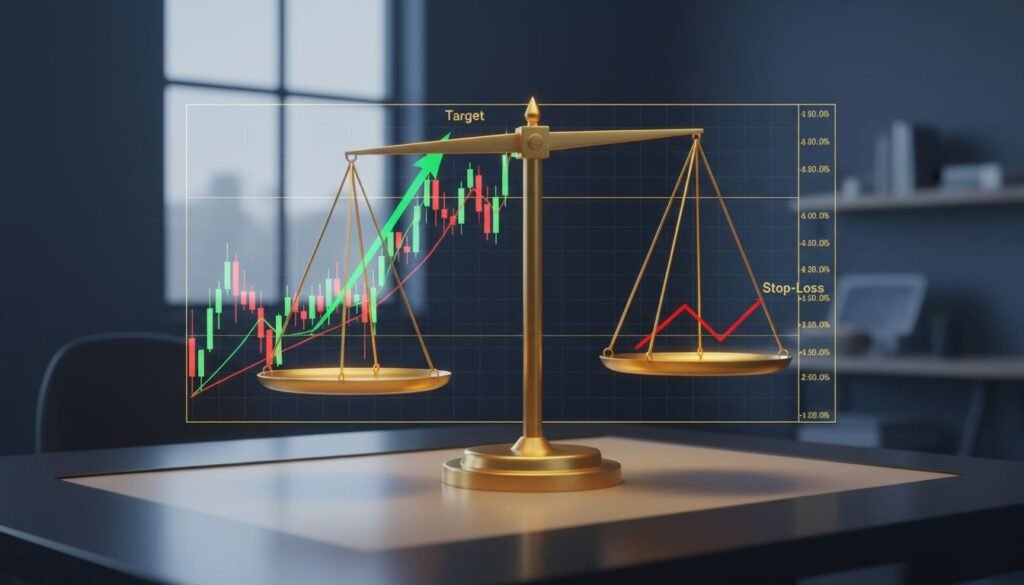
Now, profitability isn’t all about winning trades. Beyond that, it’s about making sure that the reward outweighs the risk. Professional traders often aim for a risk-reward ratio of at least 1:2 or sometimes 1:3. For example, risking $100 in order to potentially gain $200 (it’s 1:2) means you can be profitable even if you only win half of your trades. If you use consistent ratios, it helps you keep your focus on high-quality setups instead of chasing just small and uncertain gains.
5. Focus on Price Action and Market Structure
It’s also crucial to understand how prices actually move. Rather than being totally dependent on various indicators, you should analyse price action, support along with resistance levels, and trend structures to get opportunities for trade. Moreover, candlestick patterns, breakout points, as well as liquidity zones provide traders with insights into market sentiment and potential reversals. If you master market structure, then you can anticipate movements instead of reacting blindly, a key aspect for any professional forex trading framework.
6. Avoid High-Risk Recovery Strategies
Numerous strategies, such as the martingale, which doubles positions after losses, may seem appealing but can lead to faster depletion of the account. Professional traders smartly distinguish between disciplined trading and gambling behaviour. When traders follow a structured approach with defined risk, it ensures that losses are completely controlled, and traders don’t chase losing positions, which is really essential for sustainable success in forex trading frameworks.
7. Trade During Active Market Sessions
Market activity varies throughout the day. Professionals keep focus on sessions with higher liquidity and volatility, like the London, New York, along with Asian trading sessions. Trading during active sessions increases the likelihood of clean setups and reduces slippage, and low-activity periods avoid stagnation and poor trade execution. Comprehending dynamics is a really crucial element in professional forex strategy development.
8. Use a Pre-Trade Checklist Before Entering Positions
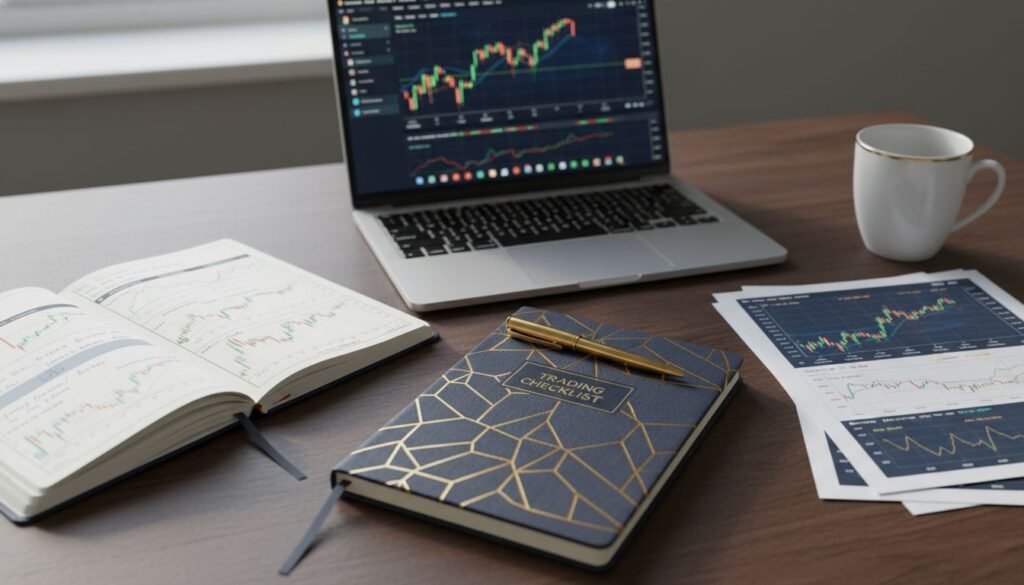
A checklist ensures trades are perfectly executed with discipline. Before even entering a position, professional traders confirm:
- Trend confirmation aligns with their strategy,
- Important key support and resistance levels are identified.
- Risk-reward ratio meets standards.
- Major economic events or news won’t impact the trade.
- Major ergonomic events or even news would not have an impact on the trade.
This pre-trade process avoids impulsive decisions and strengthens adherence to a structured forex trading framework.
9. Maintain a Detailed Trading Journal
Recording trades is really more than just logging wins and losses. It’s actually a tool for improvement. Traders track:
- Entry and exit points
- Reasoning behind each trade
- Emotional state during execution
- Outcome and lessons learned.
Traders should review journals, which allow traders to identify recurring mistakes, refine strategies, and improve decision-making over time. Furthermore, it’s a cornerstone of professional, disciplined trading.
10. Continuously Review and Improve Your Trading Framework
Markets evolve, and so should your framework. Professionals periodically analyze previous trades, adjust strategies, as well as refine risk models in order to be aligned with dynamic conditions. Continuous improvement ensures the framework remains effective, prevents stagnation, and helps traders maintain an edge. A flexible and evolving framework is exactly what separates successful forex traders from performers who are inconsistent.
Conclusion

In forex trading, there is no luck; It is a planned procedure. By keeping these professional forex trading framework guidelines in mind, it assists the traders to be more disciplined, take risks, and make decisions.
Through the dedication of strategy, action, and constant examination, serious traders can save their capital, enhance their skills, and always make it through rough markets without panic.